|
Yttrium oxide ceramic powder (Y₂O₃) has shown irreplaceable application value in high-end industrial fields such as semiconductors, new energy, precision manufacturing, etc. due to its high purity, excellent chemical inertness, high temperature resistance, plasma corrosion resistance, and good insulation properties. It has become a key material for component protection and functional realization under special working conditions.
Semiconductor and Liquid Crystal Display (LCD) Industry: Core Component Protection
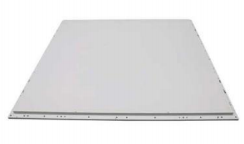
In the manufacturing process of semiconductors and LCDs, processes such as plasma etching and thin film deposition require extremely high purity, corrosion resistance, and stability of equipment components. The coating or component made of yttria ceramic powder can accurately meet this requirement: its ultra-high purity (up to 99.9% or more) can avoid impurity ion contamination of wafers or LCD substrates, ensuring the manufacturing accuracy of chips and display panels; Facing the continuous erosion of high-frequency plasmas (such as fluorine based and chlorine based plasmas), Y₂O₃ has extremely strong resistance to plasma corrosion, far superior to traditional ceramic materials such as alumina. It can effectively protect core components such as etching chambers, nozzles, and substrates, reduce particle pollution caused by corrosion, extend equipment maintenance cycles, and improve the yield of semiconductor chips and LCD panels. In addition, its good insulation can prevent the accumulation of surface charges on components and prevent static electricity from damaging precision electronic components.
Electrostatic Chuck and Vacuum Chamber Wall: Stable Operation Guarantee in Vacuum Environment
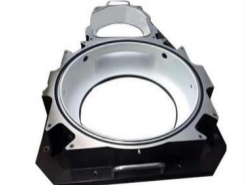
Electrostatic chuck is the core component for achieving precise wafer fixation in semiconductor wafer processing, which requires stable electrostatic adsorption performance and structural integrity in vacuum, high temperature, and plasma environments. Yttrium oxide ceramic coating, with its uniform and dense structure and stable dielectric properties, can ensure uniform distribution of electric field on the surface of the electrostatic chuck, improving the stability and flatness of wafer adsorption; At the same time, its high temperature resistance (melting point up to 2410 ℃) and resistance to plasma corrosion can maintain surface accuracy in high-temperature processes, avoiding adsorption failure caused by material loss. For the vacuum chamber wall, the chemical inertness of Y₂O₃ can prevent it from reacting with residual gases in a high-temperature vacuum environment, and the dense coating structure can block the penetration of impurities, maintain the cleanliness of the vacuum environment, reduce interference with the process environment, and ensure the long-term stable operation of the vacuum equipment.
Fuel cell field: Corrosion resistance and stable support of key components
The operating environment of fuel cells (such as solid oxide fuel cells) has the characteristics of high temperature and alternating oxidation-reduction, which requires strict requirements for the high-temperature corrosion resistance and structural stability of components. Yttrium oxide ceramic powder can be used as an electrolyte support layer or electrode protective coating for fuel cells: its excellent chemical stability can resist the erosion of high-temperature water vapor and oxidizing gases generated during fuel cell operation, avoiding component oxidation failure; Meanwhile, Y₂O₃ has a certain ion conductivity, which can assist in improving the ion migration efficiency of the electrolyte layer and optimizing battery performance. In addition, its high temperature impact resistance can reduce component cracking caused by sudden temperature changes, extend the service life of fuel cells, and improve operational reliability.
Engine components: wear resistance and protection under high temperature conditions
Some components of engines, especially aerospace engines and internal combustion engines, need to work in extreme environments of high temperature, high pressure, and gas erosion, which can easily lead to performance degradation due to oxidation and wear. Yttrium oxide ceramic coating can be used as a protective layer for engine valves, turbine blades and other components: its high melting point and excellent high-temperature stability maintain hardness and structural integrity in environments above 1000 ℃, resisting oxidation and corrosion of high-temperature gases; At the same time, the wear resistance of the coating can reduce friction losses between components, lower energy losses, and improve engine efficiency. In addition, the low thermal conductivity of Y₂O₃ can reduce heat transfer and protect the engine substrate material from high-temperature damage.
Precision component sintering boat protective layer: quality assurance for high-purity sintering
In the sintering process of high-end products such as precision ceramics and electronic components, the sintering vessel needs to withstand high temperatures and not react with the sintered material to avoid product contamination. The protective layer of the boat made of yttria ceramic powder has extremely high chemical inertness, and does not diffuse or react with the sintered materials such as ceramic bodies and metal powders in high-temperature sintering environments (such as above 1500 ℃), ensuring the purity and compositional stability of the sintered products; Its high temperature resistance and thermal shock resistance can reduce the risk of cracking of the boat during repeated temperature rise and fall processes, extend the service life of the boat, and reduce the production cost of precision components.
Special Industry: Functional Adaptation in Extreme Environments
In special industries such as nuclear industry and aerospace, yttrium oxide ceramic powder can be used for insulation components of nuclear reactors and high-temperature protective coatings of spacecraft due to its radiation stability and high temperature and high pressure resistance. For example, in a nuclear radiation environment, Y₂O₃ is less likely to undergo structural changes due to radiation and can maintain stable insulation and protection performance; During the re-entry of spacecraft into the atmosphere, its high-temperature ablation resistance can protect components from erosion by high-temperature airflow and ensure equipment safety.