|
Chromium oxide ceramic powder coating (Cr ₂ O3) has been widely and effectively applied to key components in multiple industrial fields due to its excellent properties such as high hardness, wear resistance, corrosion resistance, and low friction coefficient, providing strong guarantees for the stable operation and extended service life of equipment in various industries.
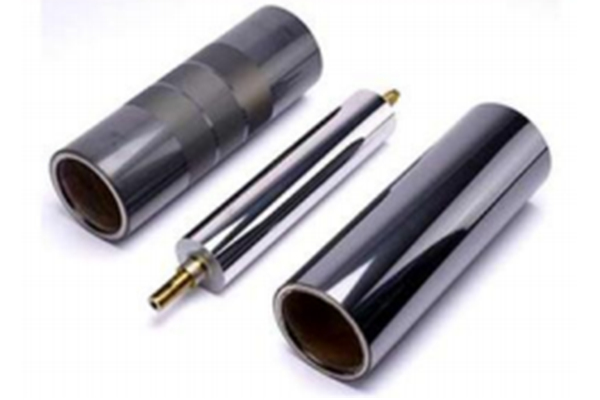
Printing industry: laser engraving ceramic mesh roller
In the printing industry, laser engraved ceramic mesh rollers are the core components for achieving precise ink transfer and ensuring printing quality. The surface of the mesh roller needs to have extremely high wear resistance to withstand long-term ink grinding and scraper scratching, while maintaining surface accuracy and flatness. The hardness of Chromium oxide ceramic powder coating can reach 950-1350 HV0.3, which can effectively resist the wear of ink particles and the friction of scrapers, greatly extending the service life of the mesh roller. Its low friction coefficient characteristic can reduce the adhesion resistance of ink on the roller surface, ensure the uniformity and stability of ink transmission, and improve the clarity and consistency of printed materials. In addition, the chemical inertness of the coating enables it to withstand the erosion of various inks and solvents during the printing process, avoiding damage to the roller surface due to chemical corrosion and ensuring that the mesh roller maintains a good working condition for a long time.
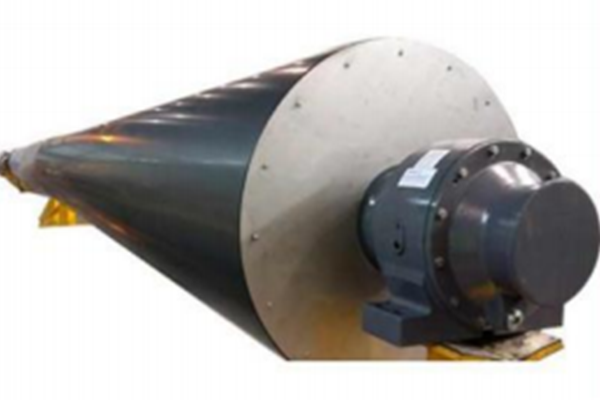
Paper and pulp industry: large rollers
The large rollers in the paper and pulp industry need to come into contact with pulp, moisture, and various chemical additives during the production process. The working environment is complex and requires extremely high wear and corrosion resistance of the rollers. Large rollers bear the tension and friction of paper for a long time, and their surfaces are prone to wear and corrosion. The high hardness and wear resistance of Chromium oxide ceramic powder coating can effectively resist the friction and wear of paper fibers, reducing roller surface wear. Its strong chemical inertness can withstand the erosion of acidic and alkaline substances, bleaching agents and other chemical reagents in pulp, preventing problems such as corrosion and pitting on the roller surface. At the same time, the coating porosity is less than 2.5%, and the dense structure can block the penetration of moisture and chemical media, protect the roller substrate from damage, extend the maintenance cycle and service life of large rollers, and reduce equipment downtime maintenance costs.
Textile industry: hot rollers, wire guides
The hot rollers and wire guides in the textile industry need to withstand high temperatures, fiber friction, and a certain amount of tension during operation. The hot roller needs to maintain structural stability at high temperatures, while the wire guide disc needs to ensure smooth and accurate wire transmission. Chromium oxide ceramic powder coating has a high melting point and is suitable for temperatures below 540 ℃. It can maintain the stability and performance integrity of the coating under the working temperature environment of the hot roller, and will not soften or peel off due to high temperature. Its low thermal expansion coefficient characteristics make the coating less prone to cracking during temperature changes, ensuring the flatness of the surface of the hot roller and guide wire disc. A low coefficient of friction can reduce the frictional resistance between fibers and roller surfaces, as well as the surface of guide discs, lower the breakage rate of silk threads, and ensure the continuity of textile production. In addition, the wear resistance of the coating can resist surface wear caused by long-term friction of fibers, maintain the accuracy of components, and improve the quality of textiles.
In the field of mechanical engineering
Shaft sleeve, seal, wear-resistant ring
The shaft sleeve, seal, and wear-resistant ring in mechanical engineering are key components that ensure the performance of mechanical transmission and sealing. They are subjected to long-term friction, compression, and other working conditions, and have strict requirements for wear resistance and sealing. The high hardness and wear resistance of Chromium oxide ceramic powder coating can significantly enhance the wear resistance of these components, reduce losses caused by friction, and extend their service life. Low friction coefficient can reduce the frictional resistance between components, improve mechanical transmission efficiency, and reduce energy loss. For seals, the density of the coating (porosity<2.5%) can enhance their sealing performance, effectively block the leakage of the medium, and ensure the normal operation of the mechanical system.
Mechanical seal ring, valve seat
Mechanical seal rings and valve seats play a critical sealing role in fluid control systems, requiring resistance to corrosion from fluid media and wear caused by relative motion. The strong chemical inertness of Chromium oxide ceramic powder coating enables it to resist corrosion from various acidic and alkaline media, oil products, etc., ensuring the stability of the sealing ring and valve seat in complex media environments. High hardness and wear resistance can reduce wear between sealing surfaces, ensure the stability of sealing gaps, improve sealing effectiveness, and reduce leakage risks. At the same time, the low friction characteristics of the coating can reduce the friction and wear between the sealing surfaces, prolong the service life of the seals, and reduce the frequency of equipment maintenance.
Hydraulic piston rod, bearing outer ring
Hydraulic piston rods require frequent expansion and contraction during operation, and their surfaces are susceptible to friction and wear from impurities in hydraulic oil. At the same time, it is necessary to prevent hydraulic oil leakage and the invasion of external pollutants. The outer ring of the bearing needs to withstand the pressure and friction of the rolling elements to maintain rotational accuracy. Chromium oxide ceramic powder coating can form a hard and wear-resistant protective layer on the surface of hydraulic piston rods, resisting friction and impurity wear, reducing the wear of piston rods, and ensuring their motion accuracy. The density of the coating can effectively block the penetration of hydraulic oil and the invasion of external moisture and dust, protecting the piston rod substrate. For the outer ring of the bearing, the high hardness and wear resistance of the coating can improve its ability to resist fatigue wear, extend the service life of the bearing, and ensure the smoothness of mechanical rotation.
In the field of chemical engineering and transportation: the inner walls of pipelines for transporting acidic and alkaline media, stirring shafts, and sealing surfaces of reaction vessels
In the field of chemical engineering, the inner walls of pipelines transporting acidic and alkaline media, stirring shafts, and sealing surfaces of reaction vessels are exposed to highly corrosive media for a long time, requiring extremely high corrosion resistance of materials. Chromium oxide ceramic powder coating has extremely strong chemical inertness and is insoluble in acids, bases, and alcohols. It can effectively resist corrosion from various acidic and alkaline media, protecting pipelines, stirring shafts, and reactor substrates from corrosion and damage. After coating the inner wall of the pipeline with this coating, it can reduce the frictional resistance during the medium transportation process, prevent the corrosion and erosion of the pipeline by the medium, extend the service life of the pipeline, and reduce the risk of pipeline leakage. The coating on the surface of the stirring shaft can resist the impact and friction of the medium during the stirring process, ensuring the structural strength and operational stability of the stirring shaft. The coating on the sealing surface of the reaction vessel can maintain good sealing and wear resistance in high temperature, high pressure, and corrosive environments, ensuring the safe and stable operation of the reaction vessel.
Chromium oxide ceramic powder coating (Cr ₂ O3), with its comprehensive and excellent performance, can play an important role in various key components of printing, papermaking, textile, mechanical engineering, chemical and other industries, providing reliable technical support for improving production efficiency, extending equipment life and reducing operating costs in various industries.