
Author: Site Editor Publish Time: 2026-01-19 Origin: Site
Surface coatings play a critical role in protecting materials from wear, corrosion, and heat. With the right coating, parts last longer and perform better, reducing maintenance costs. In this article, we will compare Thermal Spray with traditional methods like painting, plating, and powder coating. By the end, you'll understand which coating method is best for your application needs.
Thermal Spray is a process that involves melting a material, typically in powder or wire form, and then spraying it onto a surface to form a coating. The material solidifies on the surface, creating a protective layer. The coatings produced are often much thicker and more durable than traditional coatings. Thermal spray is commonly used in industries where parts are exposed to extreme wear, high temperatures, or corrosive environments.
Thermal spray coatings can be made from a variety of materials including metals, ceramics, and polymers. This process is advantageous because it can be applied to large parts or complex geometries, and the coating does not require the substrate to be heated to high temperatures, which could damage the base material.
There are several different thermal spray techniques, each suited to specific applications:
Technique | How It Works | Advantages |
Plasma Spray | Uses a plasma torch to melt and spray coating material onto the surface. | Ideal for high heat and wear, like aerospace turbine blades. |
Arc Spray | Melts material using electric arcs and sprays it as droplets onto surfaces. | Great for thick coatings and corrosion resistance in industrial settings. |
Cold Spray | Uses high-pressure gas to accelerate powder, bonding it without melting. | Perfect for delicate materials that cannot tolerate high temperatures. |
Thermal spray coatings are used across a variety of industries due to their ability to enhance the durability of parts exposed to challenging conditions. Some common applications include:
● Aerospace: Thermal spray coatings are used on turbine blades, landing gear, and other components that experience extreme temperatures and mechanical stress.
● Automotive: In the automotive industry, thermal spray is used to protect engine components, such as pistons, from wear and high temperatures.
● Oil & Gas: Thermal spray coatings are applied to drilling equipment and pipelines to protect them from corrosion caused by harsh environments and chemicals.
● Marine: Thermal spray is often used on marine equipment to protect it from saltwater corrosion and wear from constant exposure to the ocean.
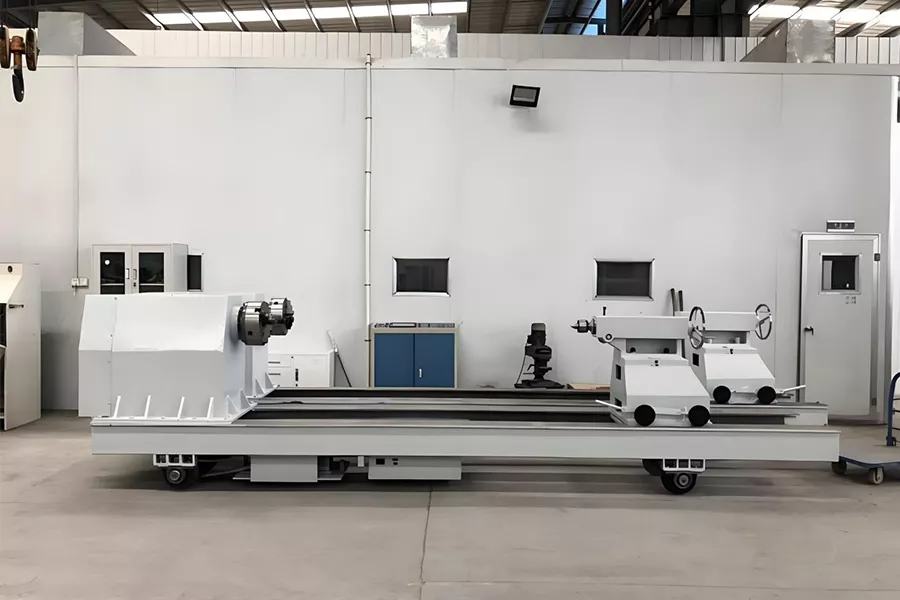
Traditional surface coating methods include processes like painting, plating, and powder coating. These methods have been used for years to provide protective coatings on materials. However, they tend to offer less durability and performance compared to thermal spray coatings, especially in demanding environments.
Here are the most common traditional surface coating methods:
Coating Type | How It Works | Advantages |
Electroplating | Uses electric current to deposit a thin metal layer onto a surface. | Provides corrosion protection, but the coating is thin and may not last in extreme conditions. |
Powder Coating | Applies dry powder to a surface and heats it to form a solid layer. | Durable and provides good protection, but not suitable for extreme conditions. |
Liquid Painting | Applies liquid paint to a surface and lets it dry to form a protective layer. | Ideal for aesthetics and basic protection, but wears down quickly in harsh environments. |
Traditional coatings are often used in applications where appearance is important, and where protection from light corrosion or wear is sufficient. Common applications include:
● Consumer Goods: Items such as furniture, appliances, and vehicles benefit from the aesthetic appeal and moderate protection offered by traditional coatings.
● Industrial Equipment: For general-purpose machinery that does not face extreme environmental conditions, traditional coatings offer sufficient protection and are cost-effective.
● Automotive Exterior: Painting is widely used in the automotive industry for bodywork and decorative finishes.
The thickness and durability of coatings are key factors in selecting the appropriate method for your application. Below is a comparison between Thermal Spray and traditional coatings:
Coating Type | Thickness and Durability | Advantages |
Thermal Spray | Can produce thick, durable coatings ranging from micrometers to several millimeters. | Excellent for protecting against wear, corrosion, and high temperatures. |
Traditional Coatings | Generally thin, with limited durability in extreme conditions. | More suited for aesthetic purposes and basic protection. |
The bond strength of a coating is critical to its durability. Below is a comparison between the bonding mechanisms of Thermal Spray and traditional coatings:
Coating Type | Bonding Mechanism | Advantages |
Thermal Spray | Combines mechanical interlocking and metallurgical bonding. | Provides superior bond strength, making the coating highly durable. |
Traditional Coatings | Relies on mechanical adhesion. | May degrade over time, especially under extreme conditions. |
The versatility of a coating method is important when considering the range of materials and geometries it can accommodate. Below is a comparison of the versatility of Thermal Spray and traditional coatings:
Coating Type | Versatility | Advantages |
Thermal Spray | Can be used on various materials (metals, ceramics, plastics, composites) and complex geometries. | Ideal for large, irregularly shaped parts and complex applications. |
Traditional Coatings | Best suited for simpler geometries and materials. | More limited in application to complex shapes or materials that can’t tolerate high temperatures. |
Environmental considerations play a crucial role when selecting a coating method. Below is a comparison of the environmental impact of Thermal Spray and traditional coatings:
Coating Type | Environmental Impact | Advantages |
Thermal Spray | Produces less hazardous waste and is applied with less energy. | Lower environmental impact compared to traditional methods. |
Traditional Coatings | May generate harmful chemicals and emissions. | Higher environmental impact due to chemical waste and emissions. |
Thermal spray excels in providing coatings that can withstand extreme conditions, such as high temperatures, wear, and corrosion. This makes it ideal for industries where parts are exposed to demanding environments, like aerospace or oil and gas.
Thermal spray can be applied to a broad range of substrates, including metals, plastics, and ceramics. This makes it a highly versatile solution, especially when working with materials that require unique coating properties.
One of the key advantages of thermal spray is its ability to restore worn or damaged parts. Instead of replacing costly components, thermal spray can rebuild surfaces to their original specifications, providing substantial cost savings and extending the life of industrial equipment.
Thermal spray can often be applied on-site, reducing downtime and transportation costs for large or heavy equipment. This is particularly beneficial for industries like oil and gas, where equipment often cannot be removed for repairs.
Key Benefit | Description |
Performance & Protection | Withstands extreme conditions like high wear, heat, and corrosion. |
Versatility | Works with metals, plastics, ceramics, and more. |
Repair & Restore | Can rebuild worn parts, saving costs on replacements. |
On-Site Application | Can be applied directly, reducing downtime and transportation costs. |
Thermal spray is the preferred method for applications where high-performance coatings are necessary. It is ideal for:
● Critical components: Parts exposed to high temperatures, extreme wear, or corrosive environments.
● Complex geometries: Large or intricate parts that traditional methods cannot effectively coat.
● Repair and restoration: Worn-out parts that need to be restored to their original dimensions.
Traditional coatings are best suited for applications where the primary concern is cost, appearance, or general protection. They are ideal for:
● Aesthetic finishes: Applications where the appearance of the part is important.
● Smaller parts: Components that do not face extreme environmental conditions.
● Lower cost: Where budget constraints are a significant factor.
While thermal spray may involve a higher initial investment, its long-term performance benefits make it cost-effective in applications requiring durable coatings. Traditional coatings are cheaper but may require more frequent maintenance or recoating in demanding environments.
Coating Type | Ideal For | Cost Consideration |
Thermal Spray | Critical, complex, and repairable parts | Higher initial cost, long-term value |
Traditional Coatings | Aesthetic, smaller parts, budget needs | Lower cost, but higher maintenance |
Thermal spray is commonly used in aerospace for components like turbine blades and landing gear, which are exposed to extreme temperatures and stress. Traditional coatings, while used for aesthetic purposes, do not provide the same level of protection in these critical applications.
In automotive manufacturing, thermal spray protects engine components from wear and corrosion, especially in high-performance vehicles. Traditional coatings are used more for bodywork and exterior finishes.
Thermal spray coatings are essential in the oil and gas industry for protecting equipment such as drilling tools and pipelines from corrosion and wear in harsh environments. Traditional coatings are not as effective in these extreme conditions.
In electronics, traditional coatings like PVD (Physical Vapor Deposition) are used for creating thin, precise coatings on small components. Thermal spray is not typically used in electronics due to the thicker coatings it produces.
Industry | Thermal Spray Use | Traditional Coating Use |
Aerospace | Turbine blades, landing gear | Aesthetic finishes |
Automotive | Engine components | Bodywork, exterior finishes |
Oil & Gas | Drilling tools, pipelines | Less effective in extreme conditions |
Electronics | Not used | PVD for thin coatings on small parts |
Choose thermal spray when the coating needs to provide robust protection against extreme conditions such as heat, wear, and corrosion. Traditional coatings are better suited for aesthetic finishes and general protection.
Consider the scale of your project and the required durability of the coating. Thermal spray is a better choice for high-performance applications, while traditional coatings are ideal for smaller, less demanding tasks.
Thermal spray is often more environmentally friendly, producing less waste and hazardous materials compared to traditional methods.
Factor | Thermal Spray | Traditional Coatings |
Coating Functionality | High protection against extreme conditions | Aesthetic finishes, general protection |
Budget & Scope | High-performance, larger projects | Ideal for smaller, less demanding tasks |
Environmental Impact | Lower waste and hazardous materials | Higher waste and emissions |
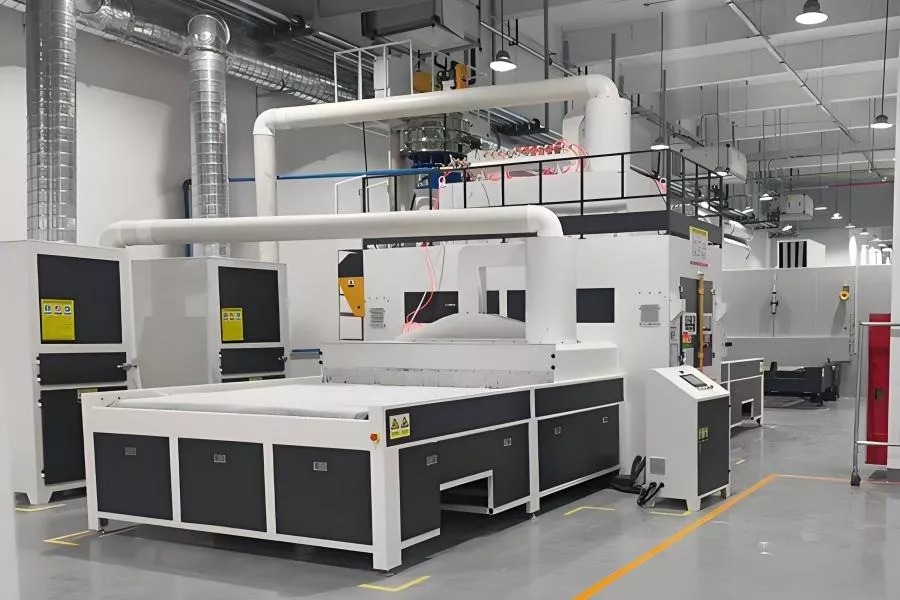
In conclusion, both Thermal Spray and traditional coating methods have their place in various industries. Thermal spray is perfect for high-performance applications where durability and protection from extreme conditions are key. Traditional coatings are more cost-effective and ideal for general protection or aesthetic purposes. By understanding the strengths of each, you can select the right method for your needs. Zhengzhou Lijia Thermal Spray Machinery Co., LTD offers advanced thermal spray equipment designed for high-quality, durable coatings that provide long-term value and reliability in demanding industries.
A: Thermal Spray is a process where materials like metals, ceramics, or polymers are melted and sprayed onto a surface to create a protective coating. It provides enhanced durability and is often used in industries exposed to extreme conditions.
A: Thermal Spray offers thicker coatings with superior wear, heat, and corrosion resistance. It is ideal for high-performance applications, unlike traditional coatings, which are thinner and typically used for general protection or aesthetics.
A: Choose Thermal Spray when your application requires high durability and protection from extreme environments, such as in aerospace or automotive industries. Traditional coatings are better for simpler protection and aesthetic purposes.
A: While thermal spray coating may have a higher initial cost, it offers long-term value due to its durability and ability to restore worn-out parts, saving money on replacements and repairs.
A: Yes, Thermal Spray can be applied to a wide range of materials, including metals, ceramics, and plastics, making it versatile for various industrial applications, from aerospace to oil and gas.
A: Thermal Spray creates thicker, more durable coatings for extreme conditions, while powder coating is generally thinner and more suitable for decorative or general protection purposes in less demanding environments.


