
Author: Site Editor Publish Time: 2026-02-04 Origin: Site
Thermal spray coating technology plays a crucial role in enhancing the performance of materials used in industries like aerospace, automotive, and oil & gas. By applying a protective coating, this technology improves wear resistance, corrosion resistance, and heat tolerance. However, defects in the coating process can negatively impact the overall performance and durability of the components.
In this article, we will explore common thermal spray defects, their causes, impacts, and the most effective solutions. Understanding these defects and how to prevent them is key to improving the quality and longevity of thermal spray coatings. Let's take a look at some of the possible thermal spray defects first.
Porosity occurs when trapped gases form small voids within the coating, while inclusions refer to solid particles or contaminants embedded in the coating. Both can significantly affect the coating's density and wear resistance.
● Trapped gases due to inconsistent spray parameters (temperature, velocity).
● Poor powder quality or contamination in the feedstock.
● Excessive spray distance, causing incomplete particle melting.
● Reduced coating density, which weakens mechanical properties.
● Increased vulnerability to corrosion and wear.
● Compromised thermal insulation properties.
● Optimize thermal spray parameters such as temperature, spray distance, and particle velocity to ensure proper melting and adhesion.
● Use high-quality, contamination-free feedstock.
● Implement precise control over the powder feed rate and gas flow to minimize defects during deposition.
Adhesion failure, also known as delamination, occurs when the coating separates from the substrate due to inadequate bonding.
● Improper surface preparation, such as contamination or insufficient roughening of the substrate.
● Incorrect spray distance or angle, resulting in weak bonding.
● High substrate temperatures that reduce adhesion strength.
● Coating peeling or flaking under mechanical or thermal stress.
● Reduced component lifespan and performance, especially in critical applications.
● Ensure thorough surface preparation including cleaning, abrasive blasting, or solvent cleaning to create a rough profile for better mechanical bonding.
● Maintain proper spray distance and angle to ensure uniform coating application.
● Preheat substrates when necessary to reduce thermal stresses and improve adhesion.
Cracking typically occurs when residual stresses in the coating exceed the material's strength, leading to fractures or splits.
● High residual stress due to rapid cooling or thick coatings.
● Poor coating-substrate compatibility, such as mismatched expansion coefficients.
● Overly thick coatings that fail to expand and contract uniformly with temperature changes.
● Weakened structural integrity, making the component prone to failure.
● Reduced coating performance, especially under dynamic loading or temperature cycling.
● Apply thinner coatings with multiple passes to reduce residual stress.
● Preheat the substrate to minimize thermal gradients during cooling.
● Use compatible coating materials and substrate to avoid mismatches in thermal expansion.
Oxidation occurs when metal particles react with oxygen during deposition, leading to the formation of oxides within the coating.
● Excessive flame temperature or improper oxygen-fuel ratio in the spray process.
● Inadequate shielding gas flow, allowing oxygen to come into contact with the coating material.
● Spray parameters that are not optimized, leading to oxidation during flight or deposition.
● Decreased coating hardness, leading to reduced wear and corrosion resistance.
● Compromised adhesion and increased porosity due to oxide formation.
● Calibrate the oxygen-fuel ratio to maintain a balanced combustion environment.
● Use inert shielding gases like argon to protect the coating from oxidation during deposition.
● Adjust the flame temperature and cooling rates to minimize oxidation.
Defect | Causes | Impact | Solution |
Porosity & Inclusions | Trapped gases, poor powder quality, excessive spray distance | Reduced coating density, increased vulnerability to corrosion | Optimize spray parameters, use high-quality feedstock, control powder feed and gas flow |
Poor Adhesion (Delamination) | Improper surface prep, incorrect spray distance/angle, high substrate temperatures | Coating peeling, reduced lifespan | Thorough surface preparation, maintain proper spray distance/angle, preheat substrates |
Cracking | High residual stress, poor compatibility, thick coatings | Weakened structural integrity, reduced performance | Apply thinner coatings, preheat substrates, use compatible materials |
Oxidation | High flame temperature, improper oxygen-fuel ratio, inadequate shielding gas | Reduced hardness, compromised adhesion | Calibrate oxygen-fuel ratio, use inert shielding gases, adjust flame temperature and cooling rates |
Surface preparation plays a critical role in ensuring proper adhesion. Improper cleaning can lead to contamination that prevents the coating from bonding effectively.
Best Practices:
● Use abrasive blasting to create a rough surface profile for mechanical bonding.
● Perform solvent cleaning to remove grease, oil, or other contaminants.
● Pre-coat surface roughening using specific abrasives to promote better coating adhesion.
Coating materials and substrates must be compatible to prevent issues like delamination or cracking. If materials have different thermal expansion rates, stresses can develop within the coating.
Solutions:
● Select coating materials with similar thermal expansion coefficients to the substrate.
● Use appropriate layer bonding techniques, such as thermal or mechanical bonding, to ensure a strong interface.
Human error can lead to incorrect process settings or inconsistent application techniques, increasing the likelihood of defects.
Solution:
● Provide ongoing training and education to technicians to ensure proper understanding of the equipment and application processes.
● Regularly monitor and adjust settings to align with best practices and industry standards.
Cause | Best Practices/Solutions |
Inadequate Surface Preparation | Use abrasive blasting, perform solvent cleaning, and pre-coat surface roughening to promote adhesion. |
Material Incompatibility | Select compatible materials with similar thermal expansion coefficients, and use proper bonding techniques. |
Human Error and Training Gaps | Provide ongoing technician training, monitor settings, and align with industry standards. |
Proper surface preparation is the first step in ensuring high-quality coatings. By cleaning and roughening the substrate, you enhance the mechanical bond between the coating and substrate.
LIJIA emphasizes high-standard surface preparation, incorporating automated cleaning systems to ensure superior adhesion and reduce defects.
Controlling spray parameters is essential for consistent coating quality. Adjusting parameters like gas flow, particle velocity, and spray distance can significantly impact the coating's performance.
Best Practices:
● Fine-tune the spray temperature to ensure proper particle melting.
● Optimize gas flows to ensure consistent spray characteristics.
Using the right materials and additives can improve coating properties and prevent defects like porosity and oxidation.
LIJIA’s Technology:
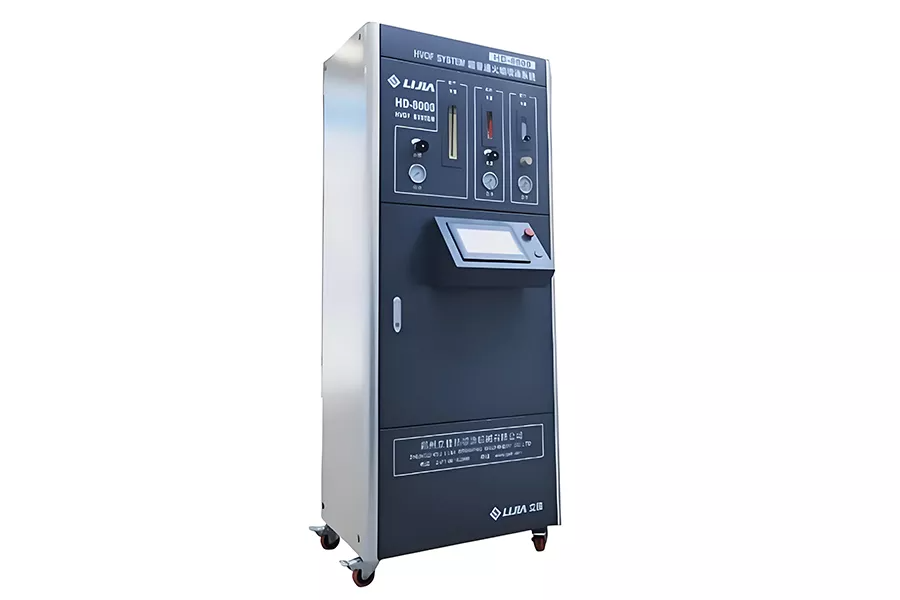
LIJIA uses HVOF technology, producing high-density coatings with exceptional wear resistance and minimal porosity.
Advanced systems like HVOF offer better adhesion and denser coatings, which can withstand harsh operating environments.
Best Practices:
● Implement spray-and-fuse processes to enhance metallurgical bonding.
● Use HVOF systems to create coatings with excellent wear and corrosion resistance.
Post-treatment processes such as annealing help reduce internal stresses, improving the overall integrity of the coating.
Quality Control:
● Regularly inspect coatings for adhesion, hardness, and porosity to detect defects early.
● Use tools like ultrasonic thickness gauges to monitor coating consistency.
Sharp edges and corners concentrate stress, making coatings more likely to fail. These areas are especially vulnerable under mechanical or thermal stress, leading to cracks, delamination, or premature wear.
To minimize coating failure, designing parts with rounded edges or adding protective shoulders can effectively distribute stress more evenly. By reducing sharp corners, parts can better handle stress and improve coating longevity, leading to enhanced component durability over time.
Part geometry plays a crucial role in coating performance. Abrupt changes in shape or sharp transitions in part design can create localized stress, leading to coating defects or cracks.
Incorporating smooth, gradual transitions in part geometry ensures stress is distributed evenly. This approach helps prevent stress points where coatings may fail, improving coating durability, reliability, and overall part performance, especially under high-load conditions.
Design Consideration | Impact | Best Practice |
Avoiding Sharp Edges and Corners | Sharp edges concentrate stress, leading to cracks or delamination. | Design parts with rounded edges or add protective shoulders to distribute stress more evenly. |
Optimizing Part Geometry | Abrupt changes in shape create localized stress points, causing coating defects or cracks. | Use smooth, gradual transitions in part geometry to prevent stress concentration and improve coating performance. |
Improved Durability | Sharp corners and uneven geometry lead to premature wear and coating failure. | Ensure parts are designed to handle mechanical and thermal stress more effectively for enhanced component durability. |
Defects: Coating oxidation at high temperatures and microcracking due to high stress are common issues in aerospace components like turbine blades.
Solutions: Use inert gas shielding to prevent oxidation and select MCrAlY materials for their high-temperature resistance. These measures protect components under extreme conditions.
Defects: Thermal fatigue cracking in engine parts and uneven wear on brake coatings occur due to frequent temperature changes and mechanical friction.
Solutions: Using HVOF processes improves coating density and wear resistance, helping prevent cracking and extend the life of brake components and engine parts.
Defects: Corrosion perforation of downhole tools and erosion wear on drilling components are common due to harsh underground conditions.
Solutions: Apply corrosion-resistant ceramic or metal-ceramic coatings and ensure proper surface cleaning before coating to enhance adhesion and durability, extending equipment lifespan.
Industry | Defects | Solutions |
Aerospace | Oxidation, microcracking | Use inert gas shielding, select MCrAlY materials. |
Automotive | Thermal fatigue, uneven wear | Use HVOF for better density and wear resistance. |
Oil and Gas | Corrosion, erosion | Apply ceramic coatings, ensure surface cleaning for better adhesion. |
Maintaining consistent coating thickness is critical for ensuring uniform performance and reliability of coated components. Variations in thickness can lead to inconsistent wear resistance, corrosion protection, and overall coating durability. To ensure uniformity, advanced tools like ultrasonic thickness gauges are used to precisely measure coating layers. Regular thickness checks help detect any inconsistencies, ensuring the coating meets required specifications for optimal performance.
Visual inspections are essential for detecting surface defects, such as cracks, discoloration, or uneven coverage. Adhesion tests are performed to verify the bond between the coating and substrate, ensuring the coating will withstand mechanical stress without peeling or delaminating. Hardness tests assess the coating's resistance to wear and deformation under load. Together, these tests provide a comprehensive evaluation, helping identify defects early and prevent potential failures, ultimately extending the lifespan of coated components.
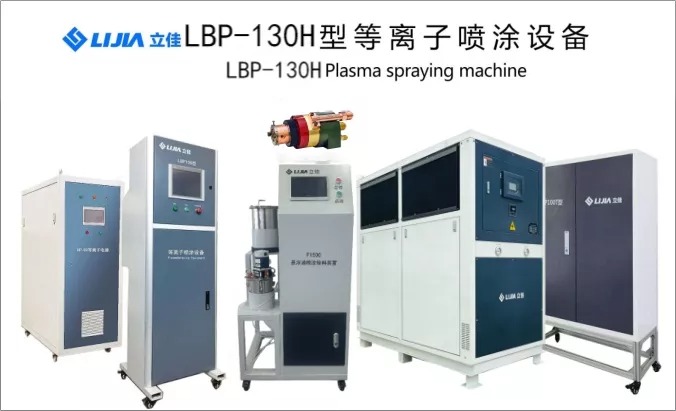
Thermal spray coatings provide significant benefits, but understanding and addressing common defects is crucial for long-lasting performance. By optimizing surface preparation, controlling spray parameters, and using advanced coating systems, companies can reduce defects. Zhengzhou Lijia Thermal Spray Machinery Co., LTD leads the industry in innovation, offering high-performance equipment that ensures longer-lasting, superior coatings, delivering value to businesses across various sectors.
A: Common thermal spray defects include porosity, poor adhesion, cracking, and oxidation. These issues can affect the coating's durability, wear resistance, and overall performance.
A: To prevent thermal spray defects, optimize spray parameters, ensure thorough surface preparation, and use high-quality materials. Implementing proper process control and advanced systems like HVOF can also reduce defects.
A: Thermal spray coatings can experience poor adhesion due to inadequate surface preparation, contamination, or improper spray distance. These factors weaken the bond between the coating and substrate.
A: Cracking in thermal spray coatings often results from high residual stress, thick coatings, or poor compatibility between the coating and substrate, causing fractures or splits.
A: To control thickness, use ultrasonic thickness gauges and maintain consistent spray distance and parameters to ensure uniform deposition of the coating.
A: Oxidation in thermal spray coatings can reduce hardness, weaken adhesion, and increase porosity, compromising the coating’s wear and corrosion resistance.


