
Author: Site Editor Publish Time: 2026-02-02 Origin: Site
Thermal spray coating is a powerful process that enhances the performance of various materials. By spraying molten or semi-molten substances onto surfaces, it creates coatings that offer wear resistance, corrosion protection, and thermal insulation. However, for the coating to adhere effectively, surface preparation is essential. Without proper cleaning and roughening, even the best thermal spray technology can fail, causing cracks or poor performance.
In this article, we’ll explore why surface preparation is crucial for thermal spray success and what steps are necessary to achieve optimal results.
Before applying any coating, cleaning the surface is an essential first step. Contaminants like oils, grease, dirt, rust, or old coatings can significantly reduce adhesion, compromising the effectiveness of the thermal spray. The cleaning process must be thorough to ensure no contaminants remain on the substrate.
Degreasing is the process of removing oils and grease from the surface. This is typically done using solvents or cleaning agents that break down organic materials, leaving the surface clean and free of contaminants. It is crucial to use the right degreasing agent based on the material composition and geometry of the part to ensure complete cleanliness.
Oxides, rust, and dirt need to be stripped away to achieve a clean surface. Methods such as abrasive blasting, chemical stripping, or mechanical cleaning are commonly used. This step ensures that any old coatings or unwanted material that could interfere with adhesion are completely removed, allowing the thermal spray to bond effectively.
Surface roughening is an essential step in thermal spray surface preparation. A smooth surface does not provide sufficient mechanical bonding points for the thermal spray particles to adhere to. Roughening the surface creates microscopic pits and crevices, ensuring that the molten particles of the coating can interlock with the substrate.
Coatings require a rough surface for mechanical interlocking. When the molten particles hit the substrate, they need to "lock" into the surface texture to form a strong bond. Without proper roughening, the particles may not adhere properly, resulting in coating failure. Surface roughening is, therefore, a critical component of thermal spray surface preparation.
Several methods are used to roughen the surface for thermal spray coatings. These include mechanical grinding, abrasive blasting, and even laser ablation in some cases.
Method | Detail | Application |
Mechanical Grinding | Uses rotating abrasive wheels to smooth or roughen the surface. | Suitable for smaller or precision components. |
Abrasive Blasting | Uses compressed air to propel abrasive particles at the surface. | Most commonly used for thermal spray surface preparation. |
Laser Ablation | Uses laser beams to remove contaminants and roughen the surface. | Ideal for precision applications and delicate substrates. |
Abrasive blasting involves propelling sharp, angular abrasive particles at high speeds onto the substrate. This process creates the necessary surface texture and removes contaminants simultaneously. The size, shape, and hardness of the abrasive media significantly affect the surface profile and coating adhesion.
In grit blasting, compressed air or other gases are used to propel the abrasive particles at the surface. The force of the impact creates small pits and grooves, which help the molten particles from the thermal spray bond effectively. This creates what is known as a "white metal finish," similar to 80-100 grit sandpaper, which is optimal for adhesion.
Selecting the correct abrasive media is crucial for achieving the desired surface profile. Aluminum oxide and chilled iron are commonly used for thermal spray surface preparation. The media must be angular and sharp to cut into the surface effectively and create the necessary pits and grooves for mechanical bonding.
After abrasive blasting, the surface should appear rough and textured, with a smooth, consistent pattern of peaks and valleys. This roughened surface allows the molten particles from the thermal spray to interlock with the substrate, forming a strong mechanical bond that ensures the durability of the coating.
The key to successful thermal spray coatings is the creation of a mechanical bond between the substrate and the coating. In this process, molten spray particles form splats that interlock with the roughened surface of the substrate, ensuring a strong hold.
The roughened surface of the substrate serves as an anchor for the molten particles, providing a foothold for each splat. As the molten particles cool and solidify, they "lock" into the pits and grooves, forming a durable bond. This mechanical bonding mechanism is critical for the performance of the thermal spray coating.
Proper cleaning and roughening are essential to achieving strong adhesion. Any contamination on the surface can prevent the molten particles from interlocking properly, weakening the bond. By ensuring the substrate is clean and well-prepared, the coating will adhere securely, providing long-lasting protection.
During the abrasive blasting process, the substrate surface undergoes physical deformation, creating residual stresses. These stresses can affect the performance of the coating, particularly in terms of durability and resistance to cracking or peeling. It is important to consider these stresses when preparing the surface to ensure the coating's effectiveness.
Residual stresses occur as a result of the high impact of the abrasive media. These stresses can lead to slight warping or bowing of the substrate, which could affect the overall coating quality. While some residual stress is inevitable, it is important to manage it through controlled blasting parameters to prevent any negative impact on the coating.
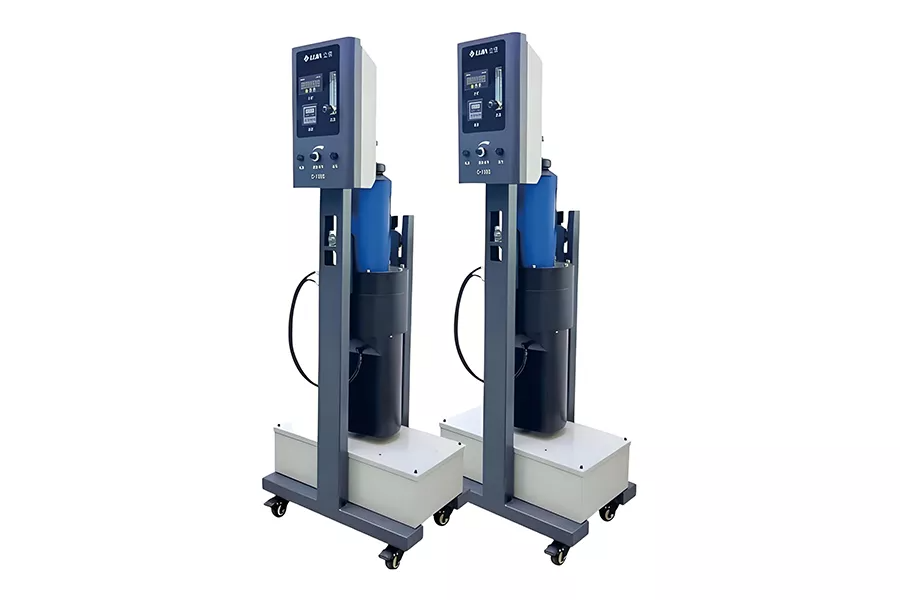
The angle at which the abrasive media strikes the substrate, as well as the distance from the surface, can significantly affect the roughening process.
Adjusting the angle of impingement can optimize the surface profile, ensuring that the roughness is uniform across the substrate. A consistent angle helps create an even texture that promotes better adhesion for the thermal spray coating.
The distance between the abrasive nozzle and the substrate affects the speed at which the media impacts the surface. A closer distance results in higher impact energy, which may create a more aggressive roughening pattern. The media speed, influenced by air pressure and nozzle design, also plays a crucial role in achieving the right surface profile.
The pressure at which the abrasive media is propelled can impact the depth and uniformity of the surface profile. Similarly, the hardness of the media determines how aggressively it can cut into the substrate material.
Controlling the air pressure allows operators to fine-tune the roughening process. Higher pressure leads to more aggressive blasting, while lower pressure provides a gentler finish. Proper pressure adjustment is key to achieving the desired surface texture without damaging the substrate.
Choosing the right hardness of abrasive media is crucial to prevent substrate damage. Harder media, such as aluminum oxide, is suitable for harder materials, while softer media may be needed for more delicate substrates. Selecting the appropriate media hardness ensures that the surface is properly prepared without causing unnecessary wear on the material.
Factor | Effect |
Angle of Blasting | Affects uniformity of surface texture |
Distance from Substrate | Controls impact energy |
Air Pressure | Determines aggressiveness of blasting |
Abrasive Media Hardness | Prevents substrate damage |
After abrasive blasting, the surface must be thoroughly cleaned to remove any dust, debris, or remaining abrasive particles. This step is essential to ensure that the surface remains uncontaminated before the thermal spray coating is applied.
Using compressed air or a vacuum system, all dust and loose particles should be removed from the substrate. This prevents recontamination and ensures that the surface is pristine for coating application.
It is important to keep the surface clean and dry until the coating is applied. Any moisture or dirt can interfere with the coating's adhesion, leading to poor performance or failure.
Laser cleaning offers a highly precise and efficient alternative to traditional abrasive blasting. It uses focused laser beams to remove contaminants and roughen the surface without the need for abrasive media. This method is particularly useful for delicate substrates or high-precision components.
Below are the key advantages of laser cleaning, especially in industries requiring high precision.
Advantage | Description |
Reduces Consumables | Lowers costs by eliminating abrasive media. |
Prevents Contamination | Avoids contamination from abrasive particles. |
Precise Control | Ensures accurate cleaning and roughening. |
Thermal spray coatings come in various forms, each suitable for different applications. The choice of process depends on factors such as the substrate material, the desired coating properties, and the operating environment.
Some of the most common thermal spray methods include Wire Flame Spray, Plasma Spray, and High Velocity Oxygen Fuel (HVOF) Spray. Each method has its unique advantages.
Technique | Description | Advantages |
Wire Flame Spray | Melts metal wire using an oxy-fuel flame. | Best for large areas and low porosity coatings. |
Plasma Spray | Uses a high-temperature plasma arc to melt the material. | Ideal for wear resistance and high-temperature performance. |
HVOF Spray | Propels molten particles using high-velocity oxygen-fuel. | Produces dense coatings with strong mechanical properties. |
The choice of coating material depends on the application requirements. For instance, wear-resistant coatings may use carbide-based materials, while corrosion-resistant coatings often use materials like nickel or chrome.
It’s important to choose coating materials that match the substrate and the intended application. Materials should be selected based on their resistance to wear, corrosion, or heat, depending on the environment the component will operate in.
Some common coating types include:
● Wear-resistant coatings: Ideal for components subject to friction and abrasion.
● Corrosion-resistant coatings: Used in harsh chemical environments to protect substrates.
● Thermal barrier coatings: Designed to protect components from high temperatures.
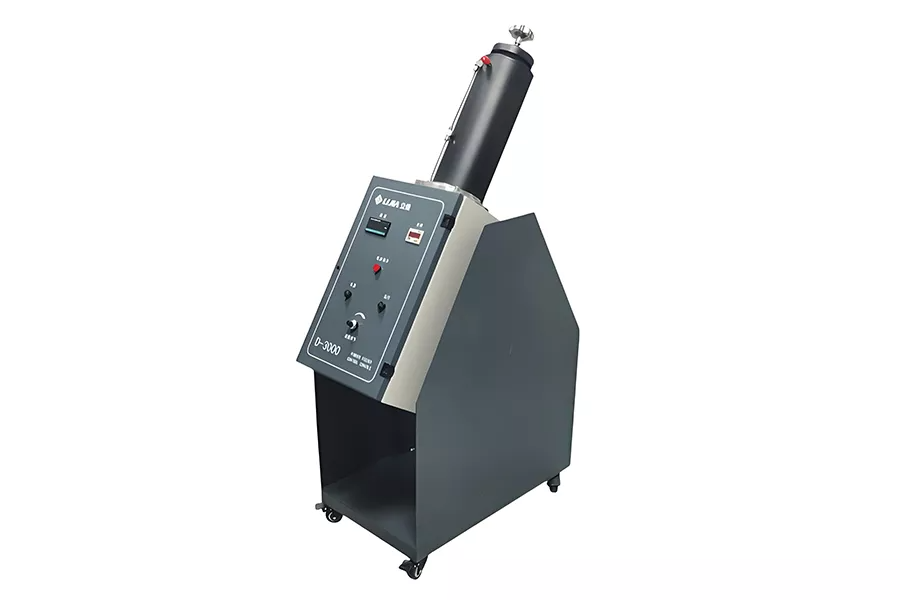
Following industry standards ensures that the surface preparation process meets the necessary quality and performance benchmarks. These procedures involve multiple steps, including cleaning, roughening, blasting, and testing.
A typical surface preparation process involves:
1. Cleaning the surface using solvents or detergents.
2. Abrasive blasting the surface to create the necessary roughness.
3. Surface inspection to ensure that the roughness and cleanliness meet the specifications.
● Avoiding Common Mistakes: Ensure that surfaces are not contaminated after cleaning or blasting. Using incorrect abrasive media can also negatively impact adhesion.
● Quality Control: Check the surface profile using gauges to ensure it meets the required specifications for optimal coating performance.
Surface preparation is crucial for successful thermal spray coating. Proper cleaning, roughening, and blasting ensure strong adhesion and long-lasting protection. With advancements in technology, methods like laser cleaning are providing greater precision and efficiency. As industries demand higher performance, surface preparation methods will continue evolving. Automated and eco-friendly solutions will minimize consumables and improve coating quality. Zhengzhou Lijia Thermal Spray Machinery Co., LTD offers innovative solutions, helping industries achieve superior surface preparation for optimal coating performance.
A: Surface preparation for thermal spray coating involves cleaning, roughening, and blasting the substrate to ensure strong adhesion of the coating, providing long-lasting protection and performance.
A: Proper thermal spray surface preparation ensures the coating adheres securely to the substrate, preventing failure such as peeling or cracking and ensuring optimal functionality.
A: Surface preparation for thermal spray involves degreasing, removing contaminants, abrasive blasting, and ensuring the surface is roughened to provide proper mechanical bonding for the coating.
A: Abrasive blasting is widely considered the best method for thermal spray surface preparation, as it creates a rough surface ideal for strong mechanical bonding of the thermal spray coating.
A: Yes, laser cleaning offers a more precise and efficient surface preparation method, reducing the need for consumables and providing a cleaner, more uniform surface for thermal spray coatings.
A: While proper surface preparation can increase initial costs, it ensures better adhesion and longer-lasting coating performance, ultimately reducing the need for repairs and replacements.


