
Author: Site Editor Publish Time: 2026-01-23 Origin: Site
Thermal spray technology is revolutionizing industries by providing durable, cost-effective solutions to protect and enhance critical components. From aerospace to medical devices, it offers unmatched benefits in improving performance and extending component lifespans. In this article, we’ll dive into the common applications of thermal spray technology across various sectors. You’ll learn how this innovative process is used to prevent wear, corrosion, and thermal damage, ensuring the efficiency and longevity of essential equipment in industries like aerospace, automotive, energy, and more.
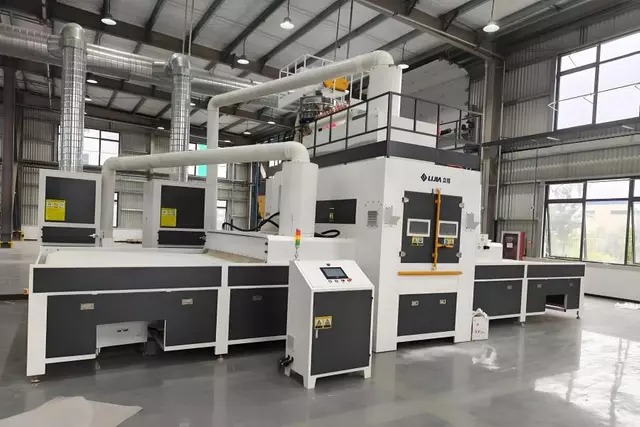
One of the most critical uses of thermal spray technology is in aerospace applications, particularly in coating aircraft engine components. Turbine blades, which operate under extreme heat, undergo thermal spraying to apply thermal barrier coatings (TBCs). These coatings are typically made of ceramic materials, which offer high resistance to heat, ensuring that engine components can endure harsh operating conditions. The longevity and efficiency of jet engines are significantly improved by these coatings, which act as a protective layer against thermal damage and oxidation.
Helicopter rotor shafts, especially those used in military operations, face harsh environments, including sand and dust exposure. To extend the lifespan of these components, thermal spray coatings like Tungsten carbide (WC12Co) are applied. These coatings enhance wear resistance and help prevent erosion, which is common in desert areas. Such coatings are crucial for maintaining the functionality and durability of rotor shafts in demanding environments.
Landing gear on aircraft is subjected to high mechanical stresses, corrosion, and extreme weather conditions. Thermal spray technology provides a cost-effective solution for protecting landing gear components. Coatings applied to these parts help resist wear and corrosion, improving their performance and safety while reducing maintenance requirements.
Component | Thermal Spray Coating Used | Benefits |
Aircraft Engine Components | Thermal Barrier Coatings (TBCs) | Heat resistance, longevity, efficiency |
Helicopter Rotor Shafts | Tungsten Carbide (WC12Co) | Wear resistance, erosion prevention |
Aircraft Landing Gear | Various anti-corrosion coatings | Corrosion protection, reduced maintenance |
Thermal spray coatings play a vital role in enhancing the performance and durability of engine components like cylinder bores and piston rings. These parts experience constant friction and wear, especially in high-performance engines. By applying coatings such as ceramic or metal alloys, thermal spray technology helps improve wear resistance, reduce friction, and extend the life of critical engine components. This results in enhanced fuel efficiency and engine longevity.
In the automotive industry, thermal spray is also used to protect brake components and exhaust systems. Coatings applied to these parts offer enhanced wear resistance, which is essential for components exposed to high temperatures and mechanical stresses. The coatings help maintain the efficiency of these systems while also contributing to fuel economy by reducing friction in the engine and exhaust.
Component | Thermal Spray Coating Used | Benefits |
Cylinder Bores and Piston Rings | Ceramic/Metal Alloys | Wear resistance, reduced friction |
Brake Components | Wear-resistant Coatings | High-temperature protection, efficiency |
Exhaust Systems | High-temperature Coatings | Friction reduction, improved fuel economy |
Gas turbines, which are critical to power generation, operate under extreme conditions, including high temperatures and mechanical stresses. Thermal spray technology is extensively used to apply thermal barrier coatings (TBCs) to protect components such as turbine blades and combustion chambers. These coatings help reduce heat exposure, improving the efficiency and lifespan of turbines. TBCs play a vital role in increasing the operational lifespan of these high-temperature components, resulting in fewer replacements and reduced downtime.
Offshore platforms, which are constantly exposed to harsh marine environments, benefit greatly from thermal spray coatings. These coatings are typically made from corrosion-resistant materials like aluminum or zinc alloys, providing protection to metal structures against seawater exposure. Thermal spray coatings prevent corrosion, reducing maintenance costs and extending the life of critical infrastructure, such as support beams, risers, and pipelines on offshore rigs.
Component | Thermal Spray Coating Used | Benefits |
Gas Turbine Components | Thermal Barrier Coatings (TBCs) | Heat resistance, efficiency, longevity |
Offshore Platform Equipment | Aluminum/Zinc Alloys | Corrosion protection, reduced maintenance |
In the industrial machinery sector, components like pumps and valves are crucial for the smooth operation of various processes. Thermal spray coatings are applied to these components to protect them from wear and corrosion, significantly extending their lifespan. For example, valves used in high-pressure systems, such as those in the oil and gas industry, are coated with materials that can withstand high temperatures and prevent rust, ensuring reliable performance over time.
Compressors, which are essential in many industrial applications, also benefit from thermal spray coatings. These coatings are used to protect parts such as compressor blades and housings, which are exposed to extreme wear and tear. The application of wear-resistant coatings helps improve the performance and efficiency of compressors by reducing friction and preventing corrosion, ensuring optimal performance and minimizing the need for frequent repairs.
Larger industrial machines, such as turbines, generators, and large compressors, rely on thermal spray coatings to protect critical components from wear and corrosion. The coatings are applied to rotating parts, helping to extend their lifespan and maintain smooth operation. By reducing friction and preventing wear, thermal spray technology helps improve the efficiency of these large machines, leading to fewer breakdowns and increased productivity.
Component | Thermal Spray Coating Used | Benefits |
Pumps and Valves | High-temperature coatings | Wear resistance, extended lifespan |
Compressor Parts | Wear-resistant coatings | Improved performance, reduced repairs |
Large Rotating Equipment | Anti-wear coatings | Increased efficiency, longer lifespan |
Thermal spray technology is widely used in the medical field, particularly for orthopedic implants. Titanium coatings are applied to implants such as hip and knee replacements to promote bone integration. These biocompatible coatings ensure that the implants do not react negatively with the body, providing a safe and effective solution for patients. Additionally, coatings with antibacterial properties are used in hospital equipment, reducing the risk of infection.
Thermal spray is also used to enhance the durability of surgical instruments and other medical tools. Coatings are applied to tools like surgical blades and prosthetics to improve their wear resistance, making them more durable and effective over time. By using thermal spray coatings, the longevity and performance of medical tools are significantly improved, which is essential for maintaining high standards in medical procedures.
Component | Thermal Spray Coating Used | Benefits |
Orthopedic Implants | Titanium Coatings | Bone integration, biocompatibility |
Surgical Instruments and Tools | Wear-resistant coatings | Enhanced durability, improved performance |
Structural steel in construction and infrastructure projects, such as bridges and buildings, is prone to corrosion due to exposure to harsh environmental factors. Thermal spray coatings, particularly those made from zinc, aluminum, or copper alloys, are applied to prevent rust and extend the lifespan of these structures. By protecting the steel from corrosion, these coatings ensure that the structures remain safe and functional for extended periods, reducing maintenance and replacement costs.
Thermal spray coatings are also widely used in the marine industry to protect ships and other marine equipment from biofouling and rust. Copper alloys, commonly used in marine applications, form a protective layer on the hulls of ships, preventing marine organisms from attaching and reducing the risk of corrosion. These coatings help maintain the performance of ships and reduce maintenance costs by extending the time between dry-docking and repairs.
Component | Thermal Spray Coating Used | Benefits |
Structural Steel | Zinc/Aluminum/Copper Alloys | Corrosion prevention, extended lifespan |
Ships and Marine Equipment | Copper Alloys | Anti-fouling, reduced maintenance |
The semiconductor industry, known for its high precision and strict environmental requirements, relies on thermal spray technology to protect sensitive equipment. Ceramic coatings are often applied to components such as wafer holders, semiconductor chambers, and other parts of the production line. These coatings provide excellent resistance to wear, corrosion, and thermal damage, ensuring that high-tech equipment remains functional and efficient throughout the production process.
Thermal spray coatings provide several critical benefits for semiconductor manufacturing, ensuring smooth production processes and maintaining the high quality and precision required in the industry. These coatings enhance equipment lifespan, improve thermal stability, and reduce the risk of contamination, ultimately supporting more efficient and reliable operations.
Benefit | Description |
Extended Equipment Lifespan | Increases the longevity of semiconductor equipment. |
Enhanced Thermal Stability | Provides better heat resistance to high-tech equipment. |
Reduced Risk of Contamination | Minimizes the chance of contaminating sensitive production environments. |
In semiconductor applications, thermal spray coatings often use materials like aluminum oxide (Al2O3) and zirconia (ZrO2). These ceramics are chosen for their excellent resistance to heat, wear, and corrosion, making them ideal for protecting sensitive equipment in the semiconductor production environment.
Material | Properties |
Aluminum Oxide (Al2O3) | High heat resistance, wear and corrosion resistance |
Zirconia (ZrO2) | Excellent thermal stability, wear resistance |
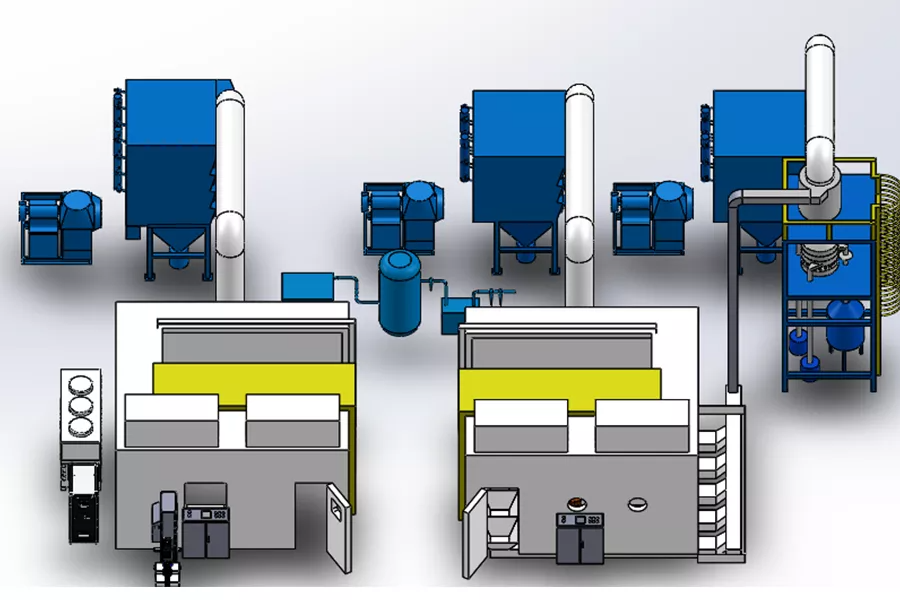
Thermal spray technology is frequently used for repairing and rebuilding worn engine parts and shafts. When components suffer from corrosion, wear, or damage, thermal spraying can restore them to their original specifications. This process is often more cost-effective than replacing the parts, as it helps extend the life of critical machinery. For example, worn shafts in heavy machinery can be rebuilt using thermal spray coatings, restoring their functionality and preventing further deterioration. By choosing thermal spray, industries can avoid expensive replacements and reduce downtime, ultimately saving on long-term costs. This process provides a quick and efficient solution, ensuring minimal disruption to ongoing operations.
In addition to restoring engine parts, thermal spray technology is used to recondition bearing housings and other rotating parts. Over time, these components can suffer from wear and tear, affecting the overall efficiency of machines. Thermal spray coatings provide a simple yet effective solution for resurfacing these parts, reducing friction and restoring their original performance. This process is essential for maintaining the reliability of industrial machinery. Regular maintenance using thermal spray not only improves performance but also prevents the need for premature replacements, enhancing both productivity and cost-efficiency. By reducing friction and wear, thermal spray ensures smoother operation and a longer operational life for these critical parts.
Thermal spray technology is essential across various industries, providing wear resistance, corrosion protection, and performance enhancement. Its applications range from aerospace to medical devices, significantly improving the durability of components. As industries evolve, thermal spray will continue to advance processes and safeguard equipment. Companies like Zhengzhou Lijia Thermal Spray Machinery Co., LTD offer specialized products that deliver exceptional value by enhancing efficiency and extending the lifespan of critical components.
A: Thermal spray technology is a process where materials are heated and sprayed onto a surface to create a protective coating. This enhances durability and protects components from wear, corrosion, and thermal damage.
A: Thermal spray applications, such as coating cylinder bores and piston rings, enhance wear resistance and reduce friction, leading to improved engine efficiency and longevity.
A: Thermal spray is widely used in industries like aerospace, automotive, energy, and medical devices, offering solutions for corrosion protection, wear resistance, and performance enhancement.
A: In aerospace, thermal spray protects critical components like turbine blades from extreme heat and wear. It improves the lifespan and reliability of aircraft engines, ensuring efficient performance.
A: Thermal spray provides anti-wear and anti-corrosion coatings for components like pumps and valves, extending the lifespan and reducing the need for costly repairs and replacements.
A: Yes, thermal spray is cost-effective for repairing worn components. It restores parts to their original specifications, improving performance and reducing the cost of replacements.


