
Author: Site Editor Publish Time: 2026-01-28 Origin: Site
Thermal spray coatings are essential for protecting critical components in industries like aerospace, automotive, and oil & gas. These coatings ensure durability by preventing wear, corrosion, and other forms of degradation. A key factor in their effectiveness is bond strength—the ability of the coating to adhere to the substrate.
In this article, we will discuss the importance of bond strength in thermal spray coatings. You will learn how bond strength impacts coating integrity and its role in preventing failure, ensuring longevity, and enhancing performance.
Thermal spray coatings are formed by heating materials to high temperatures until they melt or partially melt. These molten particles are then sprayed onto a prepared surface, where they cool and solidify. The coating bonds to the substrate primarily through mechanical interlocking, where the rough surface of the substrate creates a mechanical keying effect. In some cases, a combination of mechanical interlocking and chemical bonding enhances the bond strength.
The bond strength of thermal spray coatings directly relates to the process used, the materials chosen, and the surface preparation methods. The stronger the bond between the coating and the substrate, the better the coating can withstand mechanical stresses, thermal cycling, and corrosive environments.
Thermal spray coatings can achieve bond strength through two main mechanisms: mechanical interlocking and chemical bonding.
1. Mechanical Interlocking: In this process, the roughness of the substrate surface creates a mechanical bond with the coating. The molten particles of the coating embed themselves into the surface, forming a strong physical connection.
2. Chemical Bonding (Diffusion Bonding): In high-energy processes, such as plasma spraying or electric arc spraying, the heat may be sufficient to cause a partial fusion of the coating material with the substrate. This fusion forms a chemical bond that enhances the adhesion between the coating and substrate, further improving bond strength.
The combination of these mechanisms contributes to the overall thermal spray bond strength, ensuring that the coating remains intact under various operating conditions.
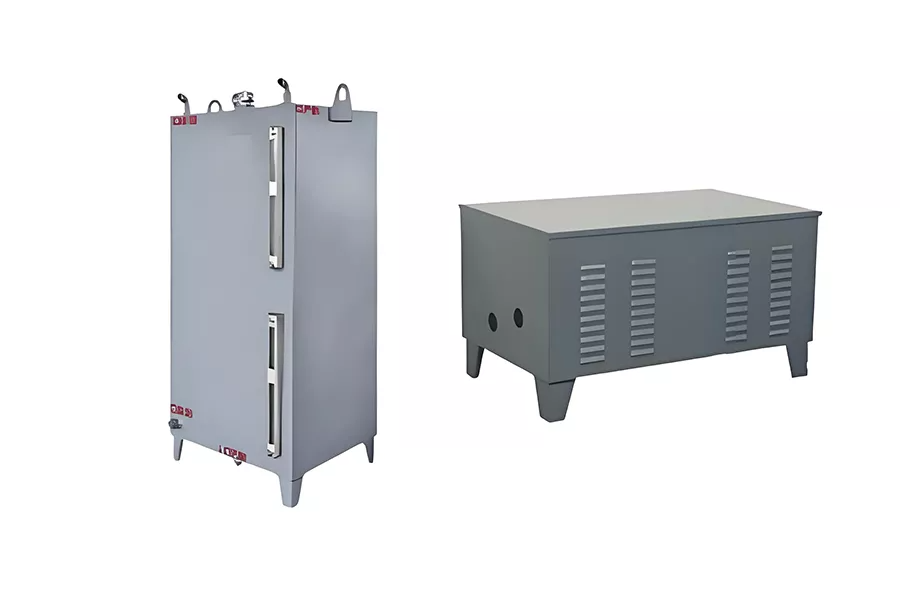
The preparation of the substrate plays a crucial role in achieving strong bond strength. Surface cleanliness and roughness are key factors in promoting mechanical interlocking between the coating and substrate. A roughened surface provides more area for the coating particles to anchor, resulting in a stronger bond. Techniques like abrasive blasting or chemical etching are commonly used to prepare the substrate, ensuring a rough, clean surface that promotes adhesion.
The choice of coating material is another important factor that influences bond strength. Common materials for thermal spray coatings include metals (e.g., aluminum, steel), ceramics (e.g., alumina), and polymers. The compatibility of the coating material with the substrate is vital for achieving optimal bond strength.
● Metals like aluminum and steel are often used for their excellent adhesion properties and high bond strength.
● Ceramics are favored for their wear resistance and thermal insulation properties.
● Polymers offer corrosion resistance and chemical inertness, making them suitable for specialized applications.
Ensuring the right material for the specific application will improve adhesion and bond strength, especially in high-stress environments.
Several process parameters, including particle velocity, temperature, and coating thickness, have a significant impact on bond strength. For example, in High-Velocity Oxygen Fuel (HVOF) spraying, higher particle velocity and temperature result in a denser coating with better bond strength. Higher temperatures increase the likelihood of fusion, while faster velocities improve the mechanical interlocking of particles.
The coating thickness also affects the bond strength. Thicker coatings may introduce residual stress, potentially reducing bond strength. Therefore, precise control over these parameters is essential for optimizing the bond strength of the thermal spray coating.
Surface treatments like abrasive blasting and chemical etching are widely used to improve the roughness and cleanliness of the substrate. These treatments remove contaminants and create a surface that promotes better mechanical interlocking between the coating and the substrate.
Additionally, preheating the substrate before spraying can help improve the bond strength by allowing for better fusion between the molten particles and the substrate. Post-treatment processes, such as curing or annealing, can also enhance bond strength by relieving stresses and improving the adhesion between the coating and the substrate.
Factor | Detail | Impact | Techniques |
Substrate Preparation | Surface cleanliness and roughness | Enhances mechanical interlocking | Abrasive blasting, chemical etching |
Coating Material | Choice of metal, ceramic, or polymer | Affects adhesion and bond strength | Material compatibility |
Spray Process | Particle velocity, temperature, coating thickness | Higher velocity/temperature improves bonding | HVOF, control of process parameters |
Surface Treatment | Preheating, curing, annealing | Improves fusion and reduces stresses | Preheating, curing, annealing |
One of the most common methods for testing the bond strength of thermal spray coatings is tensile testing, particularly the ASTM C633 test. In this test, the coating is bonded to a substrate and pulled until failure occurs. The force required to detach the coating from the substrate is measured and used to calculate the bond strength, typically expressed in pounds per square inch (psi) or megapascals (MPa).
Tensile testing provides valuable data on the adhesion of thermal spray coatings and is widely used in industries like aerospace and automotive to ensure the reliability of coatings in demanding applications.
In addition to tensile testing, there are other methods for assessing bond strength, such as interfacial indentation. This method involves applying pressure to the interface between the coating and substrate and measuring the deformation. While tensile testing is more common, alternative methods can provide additional insights into bond strength and failure modes.
Test Method | Description | Application | Key Metric |
Tensile Testing (ASTM C633) | Coating is pulled from substrate until failure. | Widely used in aerospace and automotive | Bond strength (psi/MPa) |
Other Testing Methods | Includes methods like interfacial indentation. | Provides insights into failure modes | Deformation measurement |
When thermal spray coatings fail, they can experience either adhesive failure or cohesive failure.
● Adhesive Failure occurs when the coating detaches from the substrate at the interface, typically due to poor surface preparation or insufficient bond strength.
● Cohesive Failure occurs when the failure happens within the coating itself, typically due to excessive thickness or poor-quality coating material.
Understanding the failure mode is critical for improving the process and identifying weak points in the coating system.
Analyzing failure modes helps identify the root causes of coating failure, whether it is due to poor adhesion, coating defects, or external stresses. This analysis is crucial for improving surface preparation, material selection, and spray process parameters to enhance bond strength in future applications.
Failure Mode | Cause | Potential Solution |
Poor Adhesion | Inadequate surface prep or material compatibility | Improve surface preparation and select compatible materials |
Coating Defects | Issues during spraying or material defects | Optimize spray process parameters and ensure quality control |
External Stresses | Environmental factors or mechanical forces | Adjust coating thickness and improve adhesion strength |
To improve the bond strength of thermal spray coatings, it is essential to optimize both surface treatment and spray parameters. Using techniques like abrasive blasting or chemical etching will improve surface roughness, providing a better mechanical bond. Additionally, adjusting spray parameters such as particle velocity and temperature can further enhance the bond strength.
Controlling the thermal and kinetic energy during the spraying process is critical for optimizing bonding. Higher temperatures can lead to better fusion, while controlling the time and velocity ensures that the coating is applied in the most effective way to achieve the desired bond strength.
After spraying, post-treatment techniques like curing and annealing can improve bond strength by relieving residual stresses and enhancing the coating’s adhesion. These methods ensure that the coating maintains its integrity over time, even under harsh conditions.
Strategy | Description | Technique/Action |
Optimizing Surface Treatment | Improve surface roughness for better mechanical bonding | Abrasive blasting, chemical etching |
Spray Process Optimization | Adjust particle velocity and temperature to enhance bond strength | Control particle velocity, temperature |
Controlling Temperature, Time, and Velocity | Ensure effective fusion by managing thermal and kinetic energy | Optimize spray parameters for ideal bonding |
Post-Treatment Techniques | Relieve stresses and improve adhesion after spraying | Curing, annealing |
In the aerospace industry, high bond strength thermal spray coatings are essential for protecting critical engine components, turbine blades, and other high-stress parts. These coatings must endure extreme temperatures and mechanical stresses, making bond strength a vital consideration in their performance.
In automotive applications, thermal spray coatings are used to protect engine components, transmission parts, and brake systems. A strong bond between the coating and the substrate is crucial to ensure the coatings withstand the mechanical forces and thermal cycles experienced in automotive environments.
The oil and gas industry relies on thermal spray coatings for protection against corrosion, wear, and thermal degradation in drilling equipment and refinery components. High bond strength ensures that these coatings remain effective in challenging environments, where equipment failure could lead to significant downtime and loss.
Industry | Application Area | Importance of Bond Strength |
Aerospace | Engine components, turbine blades, high-stress parts | Essential for withstanding extreme temperatures and mechanical stresses |
Automotive | Engine components, transmission parts, brake systems | Crucial for withstanding mechanical forces and thermal cycles |
Oil & Gas | Drilling equipment, refinery components | Protects against corrosion, wear, and thermal degradation in harsh environments |
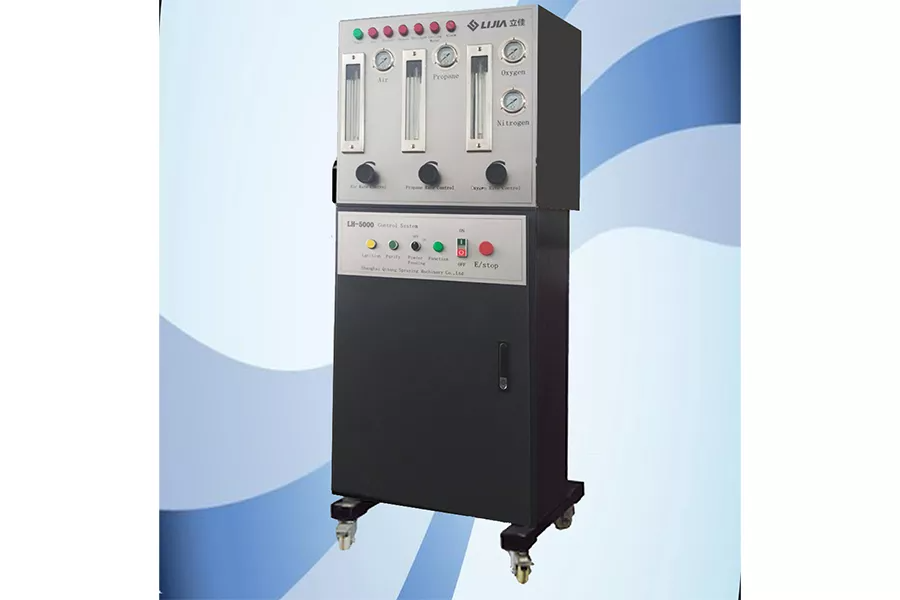
Advancements in materials science and spray equipment are continually pushing the boundaries of thermal spray coatings. New materials with superior adhesion properties are being developed, offering better bond strength. Innovations in spray technology are enabling more precise control over process parameters, improving the consistency and effectiveness of coatings. These developments are key to enhancing performance in high-demand industries.
As industries demand higher performance from their coatings, ongoing research and improvements in testing methods, surface treatments, and spray processes are essential. These improvements are expected to drive the next generation of thermal spray coatings. The future looks promising, with further advancements aimed at enhancing bond strength to ensure the reliability and longevity of critical components, especially in aerospace, automotive, and oil & gas applications.
Bond strength in thermal spray coatings is crucial for long-term durability and performance. By focusing on key factors like substrate preparation, material selection, and spray process optimization, companies can enhance the reliability of their coatings. As technology advances, stronger bonds will offer better protection for high-stress applications in aerospace, automotive, and oil & gas industries. Zhengzhou Lijia Thermal Spray Machinery Co., LTD provides advanced machinery that helps achieve superior bond strength, ensuring durable, high-performance coatings for various industries.
A: Thermal spray bond strength refers to how well the coating adheres to the substrate. It is crucial for ensuring the durability and long-term performance of thermal spray coatings, especially in high-stress applications like aerospace and automotive industries.
A: Bond strength is typically tested using methods like tensile testing (ASTM C633). The coating is pulled from the substrate until failure, helping to measure its bond strength.
A: Improving surface preparation, choosing the right materials, and optimizing spray process parameters can enhance thermal spray bond strength, leading to more durable coatings.
A: Factors like substrate roughness, material compatibility, and process parameters such as particle velocity and temperature directly affect the bond strength of thermal spray coatings.
A: Proper substrate preparation, such as abrasive blasting, creates a rough surface that promotes mechanical interlocking, improving the bond strength of the thermal spray coating.
A: The coating material, whether metal, ceramic, or polymer, significantly influences the thermal spray bond strength. Choosing compatible materials enhances adhesion and ensures coating durability.


