
Author: Site Editor Publish Time: 2026-01-21 Origin: Site
In today's fast-paced industrial world, efficiency and longevity are key. Did you know that components exposed to harsh conditions can last significantly longer with the right protection? Thermal Spray is a technology that provides just that—enhancing component performance and reducing downtime.
In this article, we will explore the advantages of thermal spray coating, a method that strengthens components against wear, corrosion, and thermal stress. You will learn how this technology can boost efficiency, reduce costs, and improve the sustainability of your operations.
Wear Resistance
A primary advantage of thermal spray coatings is their ability to protect components from wear. In industries like aerospace, automotive, and manufacturing, components are often subjected to extreme friction and stress. Thermal spray coatings provide an additional layer of protection against abrasive forces that can degrade the surface of these components. For example, turbine blades in jet engines, gears in automotive transmissions, and bearings in manufacturing machinery all benefit from the wear-resistant properties of thermal spray coatings.
● Key Industries: Aerospace, automotive, manufacturing.
Corrosion Resistance
Another significant thermal spray advantage is the ability to protect components from corrosion. Exposure to harsh environments, such as chemicals, saltwater, and humidity, can rapidly degrade unprotected materials. For industries like oil and gas, marine, and power generation, corrosion can lead to costly downtime, repairs, and even catastrophic failure of vital components. By applying thermal spray coatings, businesses can create a protective barrier against these damaging environmental factors.
● Real-World Applications: Oil and gas, marine, power generation.
Protection from Thermal Stress
Thermal spray coatings are also crucial in protecting components from thermal stress. In many industries, parts are subjected to extreme temperature fluctuations or sustained high temperatures. Without adequate protection, this can lead to material fatigue, cracking, and eventual failure. Thermal spray coatings act as thermal barriers, reducing the impact of thermal cycling and providing stability to components under high heat conditions. This makes them ideal for industries such as aerospace, where parts like turbine blades and engine components are exposed to temperatures exceeding 1,000°C.
Key industries benefit from thermal spray protection in various components. Below is a more detailed breakdown:
Industry | Key Components | Applications |
Aerospace | Turbine blades, engine components | High-temperature components exposed to extreme heat |
Power Generation | Boilers, turbines | Components exposed to prolonged heat and stress |
Automotive | Engine parts, exhaust systems | Parts that endure thermal stress and friction |
One of the most remarkable features of thermal spray is its versatility in terms of the materials that can be used. Thermal spray can apply coatings made from metals, ceramics, alloys, and polymers, each chosen to meet the specific needs of the application. For example, ceramic coatings provide excellent thermal insulation, while metal coatings are highly effective in improving wear resistance and corrosion protection.
● Tailored Solutions: Coatings are selected based on the unique needs of each application, ensuring optimal performance.
In addition to the variety of materials available for coatings, thermal spray is compatible with a broad range of substrates. The process can be applied to metals, plastics, ceramics, and even some composite materials. This makes thermal spray a flexible solution for a wide range of industries, from automotive manufacturing to electronics.
● Metals: Steel, aluminum, and titanium.
● Ceramics: High-temperature resistant components in aerospace.
● Plastics: Protective coatings for plastic components in various applications.
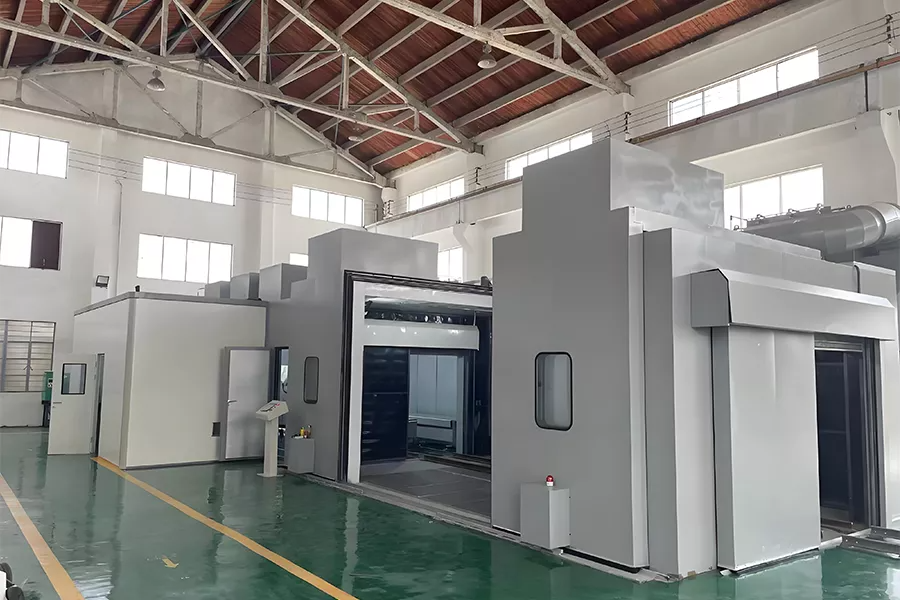
Thermal spray is particularly beneficial for industries where heat resistance is crucial. Thermal barrier coatings (TBCs) are commonly used in aerospace and power generation applications, where components must withstand extreme temperatures. TBCs are typically made of ceramic materials like zirconia and act as a thermal insulator, preventing heat from damaging sensitive components.
For example, in aerospace, turbine blades are exposed to high temperatures during flight, and without adequate protection, they would rapidly degrade. Thermal barrier coatings reduce heat transfer to the substrate, allowing the components to maintain their integrity and operate efficiently for longer periods.
Apart from thermal barrier coatings, thermal spray also helps regulate temperature in industrial components. By selecting the appropriate material for the coating, businesses can either insulate or dissipate heat depending on the application. For example, in automotive exhaust systems, thermal spray coatings can be used to control the heat distribution, preventing overheating of critical parts like catalytic converters and improving the engine's overall performance.
Temperature management in thermal spray is crucial for maintaining the efficiency and protection of components. Here's a detailed overview of key techniques:
Technique | Purpose | Common Applications |
Thermal Insulation | Maintains efficiency by reducing heat transfer | Used in turbine engines to protect sensitive components |
Heat Dissipation | Prevents overheating by spreading heat evenly | Applied in automotive exhaust systems to protect parts |
One of the most significant benefits of thermal spray is its ability to restore worn or damaged surfaces. Instead of replacing expensive components, businesses can apply thermal spray coatings to recondition parts and restore their functionality. This is particularly beneficial for high-wear components such as pump shafts, turbine blades, and industrial machinery rolls, which can be costly to replace.By using thermal spray to repair these components, companies can significantly reduce downtime and avoid the expenses associated with replacement parts. Surface reconditioning also helps to maintain the overall performance of critical machinery, ensuring it continues to operate at optimal levels.
Cost Savings: Repairing rather than replacing parts saves industries significant amounts of money in replacement costs and downtime.
Thermal spray coatings not only restore worn-out surfaces but also extend the useful life of industrial components. For example, coating critical components like pump valves or compressor parts can significantly increase their lifespan, ensuring that they perform reliably for longer periods. This is particularly valuable in industries like oil and gas, where equipment failure can result in significant downtime and costly repairs.
Maintenance Efficiency: Reduce maintenance costs by restoring critical components instead of replacing them.
One of the main reasons why thermal spray has become so popular in industrial applications is its ability to reduce operational downtime. By preventing wear and corrosion, thermal spray coatings help to avoid costly maintenance and replacements. This results in higher operational efficiency, as equipment remains in service for longer periods, reducing the frequency of repairs.
For example, in industries like aerospace or power generation, where components are highly specialized and expensive, the ability to extend the life of parts through thermal spray reduces the need for replacements and minimizes downtime, ensuring uninterrupted production.
The initial investment in thermal spray coatings may be significant, but the long-term savings far outweigh the cost. By extending the lifespan of components and reducing maintenance needs, businesses can achieve a high return on investment. In industries like oil and gas, aerospace, and power generation, where the cost of downtime and equipment failure can be substantial, the benefits of thermal spray coatings are even more apparent.
Benefit | Explanation |
Reduction in Downtime | Minimizes maintenance and repairs, ensuring continuous production |
Long-Term Savings | Extends component lifespan, offering high ROI over time |
● Aerospace: Reduced engine component replacements.
● Oil & Gas: Extended lifespan of offshore pumps.
● Power Generation: Enhanced turbine life leading to reduced shutdowns.
Unlike traditional coating methods that often involve the use of solvents, harmful chemicals, and wasteful processes, thermal spray is a more environmentally friendly solution. The process generates minimal waste, and the coatings themselves are typically free of toxic substances. This makes thermal spray an attractive choice for industries aiming to reduce their environmental impact and meet stricter regulations.
With increasing pressure to adopt greener practices, many industries are turning to more sustainable alternatives. Thermal spray coatings offer a solution that not only enhances the performance of components but also contributes to environmental protection. As industries move towards greener solutions, the adoption of thermal spray is expected to increase, further driving the demand for eco-friendly, cost-effective coating technologies.
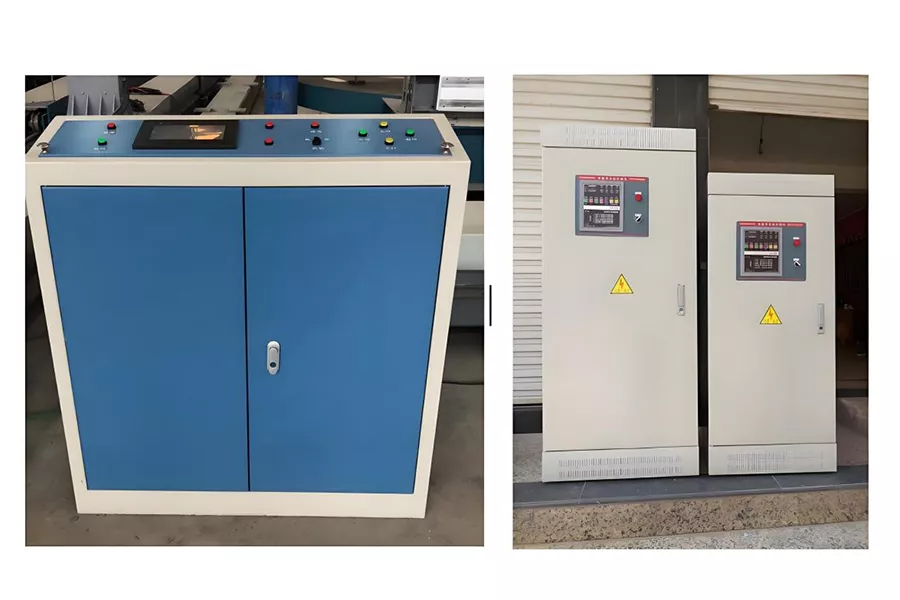
In the aerospace industry, thermal spray is essential for ensuring the reliability and durability of engine parts. Thermal barrier coatings protect turbine blades and other critical components from extreme heat, improving fuel efficiency and reducing maintenance costs. These coatings also help maintain optimal engine performance, ensuring that aircraft operate safely and efficiently.
Thermal spray coatings are increasingly being used in the automotive industry to enhance the performance of engine components. Components such as cylinder walls, pistons, and exhaust systems benefit from the wear-resistant and heat-insulating properties of thermal spray coatings. By improving friction resistance and providing corrosion protection, these coatings help extend the lifespan of automotive parts, resulting in better overall vehicle performance.
In the oil and gas sector, thermal spray coatings are used extensively to protect components like valves, pumps, and pipelines from corrosion and wear. These components operate in some of the harshest environments, and thermal spray coatings provide a durable and cost-effective solution to mitigate the effects of corrosion and erosion. This reduces the need for frequent repairs and replacements, leading to significant cost savings for companies in the oil and gas industry.
Power generation facilities rely heavily on high-performance equipment, such as turbines and boilers, which are exposed to extreme temperatures and stress. Thermal spray coatings help protect these components from damage, ensuring they operate efficiently for extended periods. By enhancing the durability of power generation equipment, thermal spray helps improve the overall performance and reliability of power plants.
Industry | Applications | Benefits |
Aerospace | Turbine blades, engine parts | Improves fuel efficiency, reduces maintenance costs |
Automotive | Cylinder walls, pistons, exhaust systems | Enhances performance, friction resistance, corrosion protection |
Oil & Gas | Valves, pumps, pipelines | Protects against corrosion and wear, reduces repairs |
Power Generation | Turbines, boilers | Enhances durability, protects against high-temperature damage |
When implementing thermal spray coatings, it's crucial to select the right material and coating technique. Factors such as the component's function, environmental conditions, and required properties (e.g., corrosion resistance, thermal protection) should all be considered to ensure the coating delivers optimal performance.
The quality of the thermal spray coating depends heavily on selecting the appropriate technique, such as Plasma Spray, HVOF (High-Velocity Oxy-Fuel), or Arc Wire Spray. Each technique offers different benefits, and choosing the correct one for a specific application is essential for achieving the best results. Rigorous quality control processes should also be in place to ensure consistency and reliability in the coating.
Thermal spray coatings offer numerous benefits, such as enhanced durability, wear resistance, corrosion protection, and thermal insulation. These coatings help industries reduce maintenance costs, boost efficiency, and extend the life of critical components. As demand for high-performance solutions rises, thermal spray technology will play a larger role in improving product reliability and cost-effectiveness.
Looking forward, the importance of thermal spray will grow with advancements in materials and techniques. Companies like Zhengzhou Lijia Thermal Spray Machinery Co., LTD are leading the way, offering products that provide lasting value and sustainable solutions across industries.
A: Thermal spray coating is a process where materials like metals or ceramics are heated and sprayed onto surfaces to enhance their properties. This coating improves wear resistance, corrosion protection, and thermal insulation.
A: Thermal spray provides excellent protection against wear, corrosion, and high temperatures, extending the life of industrial components and reducing maintenance costs.
A: Thermal spray coatings increase wear resistance and thermal protection, making engine parts more durable in high-stress environments, like in aerospace and automotive applications.
A: Thermal spray is vital in these industries because it protects components from wear, corrosion, and thermal stress, improving performance and extending part life.
A: Yes, thermal spray coatings reduce maintenance costs, minimize downtime, and extend the life of components, offering significant long-term savings for industrial applications.
A: Thermal spray can be applied to a wide range of materials, including metals, ceramics, and plastics, making it highly versatile for various industrial applications.


